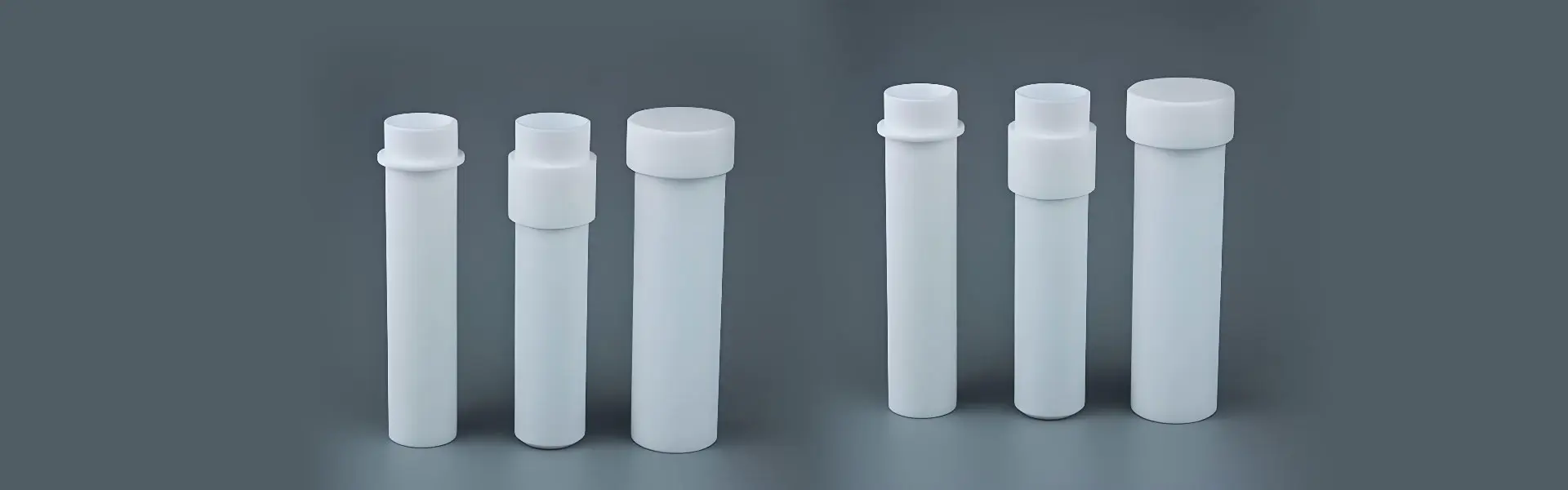
PTFE Sheet, also known as Teflon® sheet, is a versatile and high-performance engineering material manufactured by Kaxite, a leader in advanced fluoropolymer solutions. Renowned for its exceptional chemical resistance, wide operating temperature range, and outstanding non-stick properties, PTFE sheet is an indispensable component across countless industries. From sealing and insulating in chemical processing to providing low-friction surfaces in food manufacturing, its applications are virtually limitless. Kaxite leverages decades of material science expertise to produce PTFE sheets that meet the most demanding specifications, ensuring reliability, durability, and optimal performance in your critical applications.
### Key Properties and Advantages of Kaxite PTFE Sheet
The superiority of Kaxite's PTFE Sheet stems from its unique molecular structure, which delivers a combination of properties rarely found in other materials.
* **Exceptional Chemical Resistance:** Inert to nearly all industrial chemicals and solvents, making it ideal for gaskets, seals, and linings in aggressive environments.
* **Wide Temperature Range:** Performs reliably from cryogenic temperatures as low as -268°C (-450°F) up to +260°C (+500°F) continuously, with short-term tolerance even higher.
* **Outstanding Non-Stick & Low Friction:** Has the lowest coefficient of friction of any solid material, preventing material buildup and ensuring easy release.
* **Excellent Electrical Insulation:** Superior dielectric properties across a wide frequency range, perfect for insulating components in electrical and electronic applications.
* **High Flexibility & Conformability:** Available in various grades, including flexible sheets that can conform to irregular surfaces for effective sealing.
* **Weather & UV Resistance:** Unaffected by sunlight, ozone, and weathering, suitable for long-term outdoor use.
* **FDA Compliance & Non-Toxic:** Many grades comply with FDA regulations for food contact, making them safe for food, pharmaceutical, and medical applications.
### Detailed Product Specifications for Kaxite PTFE Sheet
Kaxite offers a comprehensive range of PTFE sheets tailored to specific needs, including virgin, glass-filled, carbon-filled, and bronze-filled grades. Below are detailed specifications for our standard virgin PTFE sheet.
#### Material Properties Table
| Property | Test Method | Typical Value | Unit |
| :--- | :--- | :--- | :--- |
| **Density** | ASTM D792 | 2.15 - 2.20 | g/cm³ |
| **Tensile Strength** | ASTM D638 | 25 - 35 | MPa |
| **Elongation at Break** | ASTM D638 | 300 - 500 | % |
| **Compressive Strength** | ASTM D695 | 12 | MPa |
| **Coefficient of Friction (Static)** | ASTM D1894 | 0.05 - 0.08 | - |
| **Continuous Service Temperature** | - | -260 to +260 | °C |
| **Melting Point** | - | 327 | °C |
| **Dielectric Strength** | ASTM D149 | 20 - 25 | kV/mm |
| **Volume Resistivity** | ASTM D257 | >10¹⁸ | Ohm·cm |
| **Water Absorption** | ASTM D570 | <0.01 | % |
#### Available Sizes & Forms
Kaxite PTFE sheets are available in a variety of dimensions and forms to suit your fabrication requirements.
* **Standard Sheet Sizes:**
* 1000mm x 1000mm (39.4" x 39.4")
* 1200mm x 1200mm (47.2" x 47.2")
* 1500mm x 1500mm (59" x 59")
* Custom sizes available upon request.
* **Standard Thickness Range:**
* 0.5mm (0.020")
* 1mm (0.040")
* 1.5mm (0.060")
* 2mm (0.080")
* 3mm (0.118")
* 5mm (0.197")
* 6mm (0.236")
* 10mm (0.394")
* Up to 50mm (1.97") and beyond.
* **Common Colors:** Natural (white), black (carbon-filled).
* **Surface Finish:** Standard (as-sintered), skived (for very thin, flexible films), or machine-finished.
### Filled PTFE Grades for Enhanced Performance
To address specific challenges like creep resistance, wear, and thermal conductivity, Kaxite offers compounded PTFE sheets. These materials retain the core benefits of PTFE while gaining improved mechanical properties.
#### Comparison of Kaxite Filled PTFE Sheet Grades
| Grade / Filler | Key Enhancements | Primary Applications |
| :--- | :--- | :--- |
| **Glass-Filled PTFE** | Improved compressive strength, reduced creep (cold flow), better wear resistance. | Bushings, bearings, thrust washers, seals in static applications. |
| **Carbon-Filled PTFE** | Superior wear resistance, higher thermal conductivity, excellent chemical resistance maintained. | Piston rings, compressor rings, dynamic seals, applications requiring low friction and conductivity. |
| **Bronze-Filled PTFE** | Excellent wear resistance, very high thermal conductivity, greatly reduced creep. | Heavy-duty bearings, sliding plates, wear pads, high-load applications. |
| **Stainless Steel Filled** | Good wear resistance, electrically conductive, maintains low friction. | Static control applications, EMI shielding gaskets. |
### Fabrication and Machining Guidelines
Kaxite PTFE sheet is easily machinable using standard workshop tools. However, its unique properties require some specific considerations for optimal results.
* **Machining:** Can be sawed, turned, milled, drilled, and punched. Use sharp, high-speed steel (HSS) or carbide tools. Maintain high cutting speeds with slow feed rates.
* **Heat Management:** PTFE has a low thermal conductivity. Avoid excessive heat buildup during machining to prevent deformation.
* **Cleaning:** Clean parts with solvents like acetone or isopropyl alcohol to remove machining debris.
* **Post-Processing:** Does not require annealing. Machined parts are ready for use.
### Industry Applications of Kaxite PTFE Sheet
* **Chemical Processing:** Gaskets, valve seals, pipe liners, expansion joints, and tank diaphragms handling corrosive fluids.
* **Food & Beverage:** Conveyor liners, non-stick chutes, wear plates, and seals in food processing equipment.
* **Pharmaceutical:** Gaskets and components for sterile processing, tablet press parts, and laboratory equipment.
* **Electrical & Electronics:** Insulating spacers, coil bobbins, sockets, and high-frequency circuit components.
* **Automotive & Aerospace:** Fuel system seals, O-rings, bushings, and lightweight, high-temperature components.
* **Industrial Machinery:** Low-friction wear strips, slide plates, bearing pads, and hydraulic seal back-ups.
### Frequently Asked Questions (FAQ) About PTFE Sheet
**What is the main difference between PTFE sheet and Teflon® sheet?**
Teflon® is a well-known brand name for PTFE (Polytetrafluoroethylene) owned by Chemours. Essentially, all Teflon® sheets are PTFE sheets, but not all PTFE sheets are branded as Teflon®. Kaxite manufactures high-quality PTFE sheets that match or exceed the performance specifications associated with the Teflon® brand, providing a reliable and often more cost-effective alternative.
**How do I choose between virgin PTFE and filled PTFE sheets?**
Virgin PTFE is ideal for applications requiring maximum chemical purity, excellent electrical properties, and flexibility. Choose filled PTFE (like glass, carbon, or bronze) when your application demands higher mechanical strength, reduced deformation under load (creep resistance), better wear performance in dynamic settings, or enhanced thermal conductivity. Kaxite technical support can help you select the optimal grade.
**Can Kaxite PTFE sheet be used for high-pressure gaskets?**
PTFE has a tendency to cold flow (creep) under sustained pressure. For static flange gaskets in high-pressure applications, it is crucial to use a properly designed filled PTFE grade (like glass-filled) or a PTFE envelope gasket with a resilient filler. Correct bolt loading and flange design are also essential to contain the material and prevent blow-out. Consult Kaxite for specific pressure rating guidance.
**Is PTFE sheet safe for food contact?**
Yes, virgin PTFE is generally recognized as safe for food contact by regulatory bodies like the FDA in the USA and EFSA in Europe, provided it is manufactured to the appropriate purity standards. Kaxite offers specific virgin PTFE sheet grades that are compliant with FDA CFR 21.177.1550, making them suitable for use in food processing and packaging machinery.
**What are the limitations of PTFE sheet?**
While exceptional in many areas, PTFE has some limitations. It has relatively low mechanical strength compared to metals and some plastics, and it exhibits creep under continuous load. It can be abraded by sharp, hard particles. It is not melt-processable, which limits some fabrication methods. Furthermore, it can be affected by certain extreme agents like molten alkali metals and fluorine under high pressure and temperature.
**How should I store and handle PTFE sheets?**
Store PTFE sheets in a cool, dry, and dark place away from direct sunlight and heat sources. Although chemically resistant, it is good practice to keep them away from strong chemical vapors. Handle with clean gloves to prevent surface contamination, especially for electrical or high-purity applications. Sheets can be heavy in larger thicknesses, so use appropriate lifting techniques.
**Can Kaxite PTFE sheets be bonded or welded?**
Bonding PTFE is notoriously difficult due to its non-stick nature. For strong, permanent bonds, the surface must be treated using a specialized chemical etching process (like sodium napthalene treatment) or plasma treatment to make it bondable with specific epoxies. PTFE cannot be thermally welded like thermoplastics. Mechanical fastening is often the preferred joining method.
**What is the lead time for custom-sized or special-grade PTFE sheets?**
Kaxite maintains a significant stock of standard sheet sizes and thicknesses for quick delivery. For custom dimensions, special filled compounds, or large volume orders, standard lead times typically range from 2 to 6 weeks depending on the complexity and quantity. Contact our sales team for an accurate quote and delivery schedule based on your specific requirements.