


QR Code

About Us
Products
Contact Us

Phone

Fax
0086-574-87527773

Email

Address
No. 432 Zhenhai Middle Road, Luotuo Street, Zhenhai District, Ningbo City, Zhejiang China

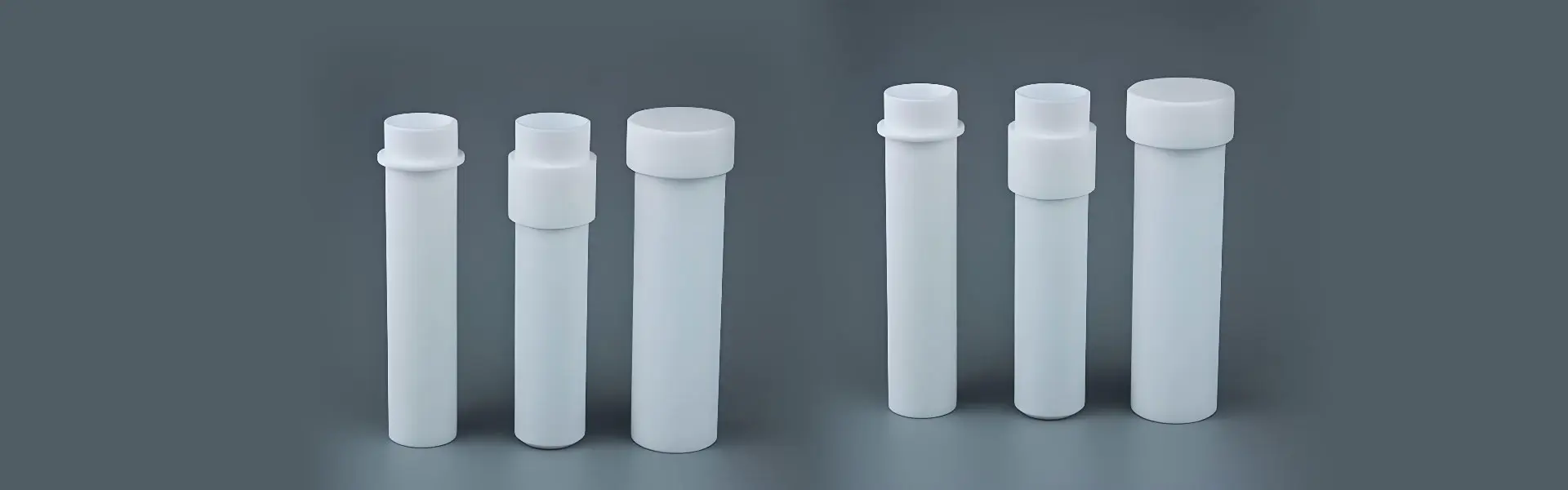
In the world of industrial maintenance, construction, and manufacturing, achieving a perfect, durable seal is often the critical factor between operational success and costly failure. Traditional sealing methods can be messy, imprecise, and time-consuming. This is where engineered Injectable Sealant Tools revolutionize the process. These specialized tools are designed for the accurate, clean, and efficient application of a wide range of sealants—from silicones and polyurethanes to epoxy resins and specialized anaerobic compounds. At Kaxite, we have dedicated decades to refining this technology, developing tools that are not just equipment but essential partners in ensuring structural integrity, preventing leaks, and extending the lifecycle of assets. The core principle is control: control over bead size, application pressure, flow rate, and overall placement, transforming sealing from a chore into a precise science.
A high-quality injectable sealant system is more than just a caulking gun. It is an integrated system comprising several key components, each playing a vital role in the application process. Understanding these parts is crucial for selecting the right tool for your specific job requirements.
Kaxite tools are engineered for durability, precision, and adaptability. Below are detailed specifications for our core models, showcasing the range of capabilities available to professionals.
| Model Series | Drive Type | Max Output Force | Cartridge Compatibility | Key Features | Primary Applications |
|---|---|---|---|---|---|
| KX-PRO Manual | Smooth Rod / Ratchet | 2,500 lbs (11 kN) | Standard 300ml, 400ml | All-steel construction, ergonomic non-slip grip, reversible ratchet, built-in cartridge piercer. | General construction sealing, automotive gasketing, HVAC installation, low-volume epoxy injection. |
| KX-AIR Pneumatic | Pneumatic | 6,800 lbs (30 kN) | 300ml, 400ml, 600ml, bulk sausages | Adjustable air regulator (60-120 PSI), quick-connect coupler, lightweight alloy frame, pressure relief valve. | High-volume joint sealing, industrial panel bonding, marine deck sealing, applying high-viscosity adhesives. |
| KX-ELECTRIC Cordless | Battery-Powered Electric | 4,400 lbs (20 kN) | Standard 300ml, 400ml | 18V Lithium-Ion battery, variable speed trigger, LED work light, battery life indicator, quick-release mechanism. | Overhead applications, remote job sites, production line assembly, detailed work requiring precise trigger control. |
| KX-DUAL Mix/Dispense | Pneumatic or Electric | Up to 8,000 lbs (35 kN) | Dual 400ml or 600ml cartridges | Dual-barrel system for 2-part materials, balanced flow pistons, compatible with all static mixer sizes, precision ratio control. | Structural epoxy injection, composite bonding, potting & encapsulation, applying 2-part polyurethane foams and sealants. |
Q: What is the main advantage of using a professional injectable sealant tool over a standard caulking gun?
A: The primary advantages are precision, power, and consistency. Professional tools provide significantly higher thrust, allowing you to work with very high-viscosity sealants that a standard gun cannot handle. They offer better flow control for even bead application, reduce operator hand fatigue through mechanical advantage or powered drives, and are built from durable materials for long-term reliability in industrial environments. A standard caulking gun is suited for low-viscosity consumer caulks, while a professional injectable sealant tool is engineered for demanding industrial-grade materials.
Q: Can I use any sealant cartridge with my Kaxite tool?
A: Kaxite tools are designed to be widely compatible with industry-standard cartridge sizes (most commonly 300ml and 400ml, or 10.5oz and 12oz). Our manual and electric models accept these standard cartridges. For bulk sausage packs or 600ml cartridges, you would need a specific model like the KX-AIR or a tool with an adaptable chamber. Always check the manufacturer's specifications for your sealant's packaging type and ensure it matches the chamber of your Kaxite tool. We also offer adaptor kits for certain non-standard packaging.
Q: How do I choose between a manual, pneumatic, and electric injectable sealant tool?
A: The choice depends on your project scope, material, and work environment.
Q: What is a static mixer nozzle, and when is it required?
A: A static mixer is a disposable plastic tube containing a series of helical elements. It is absolutely required when applying two-part (or multi-part) sealants, adhesives, or epoxies. As the two components (typically resin and hardener) are pushed through the tube from separate cartridges via a dual-barrel tool, the helical elements repeatedly divide and recombine the streams, creating a uniform, homogenous mix. This ensures the chemical reaction for curing initiates correctly throughout the entire bead. Using a single nozzle for a two-part material will result in an improper, weak, or non-curing seal.
Q: How do I maintain and clean my injectable sealant tool to ensure its longevity?
A: Proper maintenance is key. After each use, especially with fast-curing materials, expel any remaining material and disassemble the tool as per the manual. Clean the piston, barrel interior, and nozzle threads with an appropriate solvent (compatible with the sealant used) before the material hardens. For pneumatic tools, add a few drops of air tool oil to the inlet periodically. Lubricate moving parts, such as the ratchet mechanism, with a light machine oil. Store the tool in a clean, dry place. For Kaxite tools, always refer to the specific maintenance guide provided with your model, as procedures can vary between manual, pneumatic, and electric drives.
Q: The sealant is not coming out smoothly; it's pulsing or straining. What could be wrong?
A: Several issues can cause this:
The precision of modern injectable sealant tools unlocks applications far beyond simple gap filling. In the wind energy sector, they are used for blade root bonding and edge seal protection. Marine shipyards rely on them for applying underwater curing sealants to hulls and decks. In civil engineering, specialized tools inject epoxy resin into cracked concrete to restore structural strength—a process known as crack stitching. The electronics and aerospace industries use precise, controlled dispensing for potting sensitive components, protecting them from moisture, vibration, and thermal stress. The common thread in all these advanced uses is the demand for repeatable accuracy, reliable material delivery, and the ability to handle engineered, high-performance compounds that are critical to the integrity of the final product. Kaxite tools are designed to meet these rigorous demands across diverse sectors.

0086-574-87527773
No. 432 Zhenhai Middle Road, Luotuo Street, Zhenhai District, Ningbo City, Zhejiang China