


QR Code

About Us
Products
Contact Us

Phone

Fax
0086-574-87527773

Email

Address
No. 432 Zhenhai Middle Road, Luotuo Street, Zhenhai District, Ningbo City, Zhejiang China

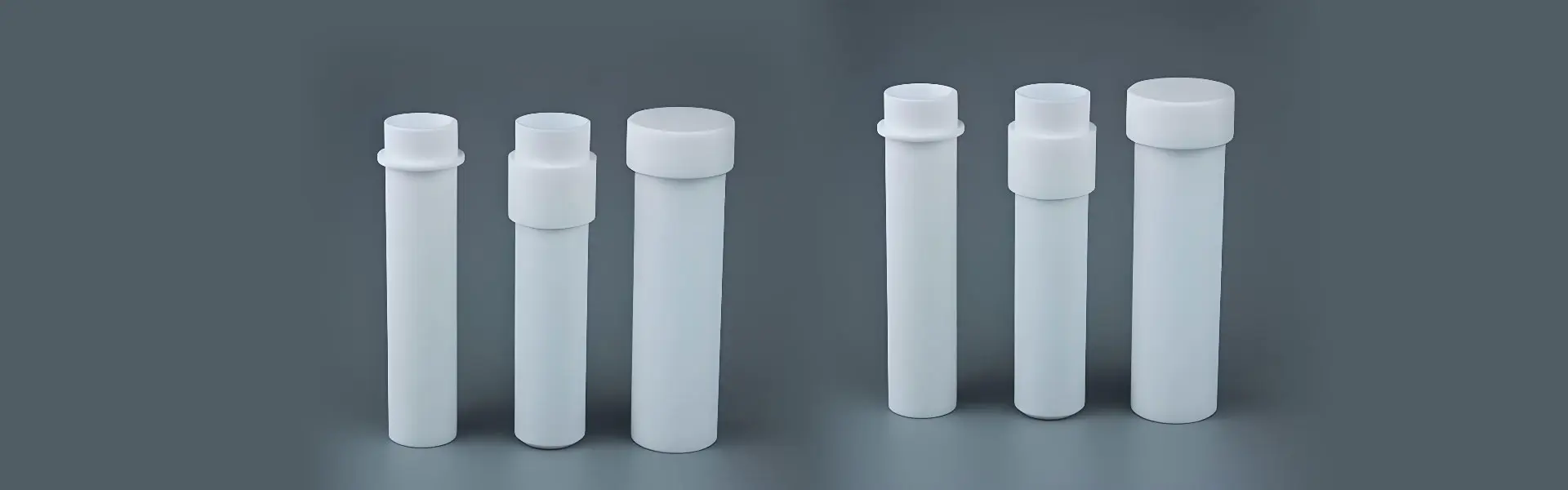
In complex piping and bolted flange systems, particularly within chemical processing, oil & gas, marine, and power generation industries, controlling galvanic corrosion and stray electrical currents is paramount for system integrity, safety, and operational longevity. This is where specialized isolation solutions become critical. Flange Insulation Gasket Kits are engineered precisely for this purpose, providing a complete, reliable barrier to prevent current flow between flange faces while maintaining a pressure-tight seal. Unlike standard gaskets, these kits are systematic solutions, comprising multiple insulating components designed to work in unison.
Kaxite Sealing Solutions has been at the forefront of developing and manufacturing advanced flange insulation kits for demanding global applications. Our kits are engineered not just to meet but to exceed industry standards, offering unparalleled protection against corrosion, ensuring personnel safety, and significantly reducing maintenance costs and unplanned downtime. This guide details the technical composition, specifications, and critical considerations when selecting a flange insulation kit for your application.
A complete flange insulation kit from Kaxite is meticulously designed to provide 360-degree isolation. Each component plays a vital role in breaking the electrical continuity across the bolted joint.
Selecting the correct kit requires a deep understanding of the operating conditions. Below are the key parameters that define a Kaxite Flange Insulation Gasket Kit.
| Material | Max. Temp. Range | Pressure Rating | Chemical Resistance | Typical Applications |
|---|---|---|---|---|
| Virgin PTFE (Teflon) | -450°F to 500°F (-268°C to 260°C) | Excellent, up to Class 300/PN50 | Exceptional; inert to nearly all chemicals | Highly corrosive services, ultra-pure systems, food & pharmaceutical |
| Filled PTFE (Glass, Graphite) | -328°F to 500°F (-200°C to 260°C) | Superior, up to Class 600/PN100 | Excellent, similar to virgin PTFE | Higher pressure corrosive services, improved creep resistance |
| FEP | -400°F to 400°F (-240°C to 204°C) | Good, up to Class 150/PN20 | Excellent, similar to PTFE | Moderate temperature corrosive services, transparent for inspection |
| Gylon®-Style Composite | -350°F to 550°F (-212°C to 288°C) | Excellent, up to Class 900/PN150 | Excellent across a broad spectrum | High-pressure/temperature chemical plants, refineries, sour gas |
| PEEK | -148°F to 600°F (-100°C to 316°C) | Outstanding, very high | Excellent, resistant to steam and hydrocarbons | Aerospace, high-performance automotive, severe service oil & gas |
Q: What is the primary purpose of a flange insulation gasket kit?
A: The primary purpose is to electrically isolate two flanged pipe sections or a pipe from equipment (like a pump or valve). This prevents galvanic corrosion caused by dissimilar metals in contact within an electrolyte (like water or process fluid) and blocks damaging stray electrical currents that can accelerate corrosion, posing a risk to pipeline integrity and safety.
Q: When is it mandatory to use an insulation kit?
A: Insulation kits are mandatory in situations defined by engineering standards and safety codes. Common applications include: isolating pipelines from underground structures (cathodic protection), isolating different sections of a pipeline made of dissimilar metals, at pipeline road/rail crossings, for safety in hazardous areas to prevent sparking, at compressor stations, and in seawater cooling systems to prevent rapid corrosion of less noble metals.
Q: Can I just use an insulating gasket without the washers and sleeves?
A: No, this is a critical error. Using only the gasket fails to provide complete isolation. Electrical current can easily travel through the metal bolts, creating a parallel circuit and rendering the gasket ineffective. A full kit with insulating washers and sleeves is essential to break all potential conductive paths across the flanged joint.
Q: How do I select the right material for my application?
A: Material selection is based on the "PACT" criteria: Pressure, Application (chemical media), Temperature, and Cost. Review the chemical compatibility of the gasket material with your process fluid. Confirm the maximum continuous and peak temperatures are within the material's rated range. Ensure the pressure class of the gasket matches or exceeds that of the flange. Kaxite engineers can provide detailed support for this selection process.
Q: What are the key steps for proper installation?
A: Proper installation is crucial for performance. Key steps include: 1) Thoroughly clean and inspect both flange faces. 2) Install the insulating sleeves onto each bolt/stud. 3) Carefully place the centralizing ring (if applicable) and insulating gasket, ensuring it is centered. 4) Insert the sleeved bolts through the flanges. 5) Place a steel washer, then an insulating washer, followed by the nut on each bolt (reverse on bolt head side if required). 6) Tighten bolts in a star-pattern (cross-bolting) sequence to the specified torque value to ensure an even, leak-free seal without crushing the insulating components.
Q: How often should insulation kits be inspected or replaced?
A: They should be inspected during routine pipeline maintenance shutdowns. Look for signs of physical damage, extrusion, or compression set in the gasket. Check insulating washers for cracking or deformation. Dielectric resistance testing can also be performed to verify insulation integrity. Replacement intervals depend entirely on service conditions but planning for replacement at major overhaul intervals is a prudent practice.
Q: Can Kaxite provide custom-designed kits for non-standard flanges?
A: Absolutely. Kaxite specializes in engineering custom insulation solutions for special flanges, large diameters, exotic materials, or unique pressure-temperature profiles. Our technical team works with your specifications to design and manufacture a kit that delivers reliable, long-term performance.


0086-574-87527773
No. 432 Zhenhai Middle Road, Luotuo Street, Zhenhai District, Ningbo City, Zhejiang China