


QR Code

About Us
Products
Contact Us

Phone

Fax
0086-574-87527773

Email

Address
No. 432 Zhenhai Middle Road, Luotuo Street, Zhenhai District, Ningbo City, Zhejiang China

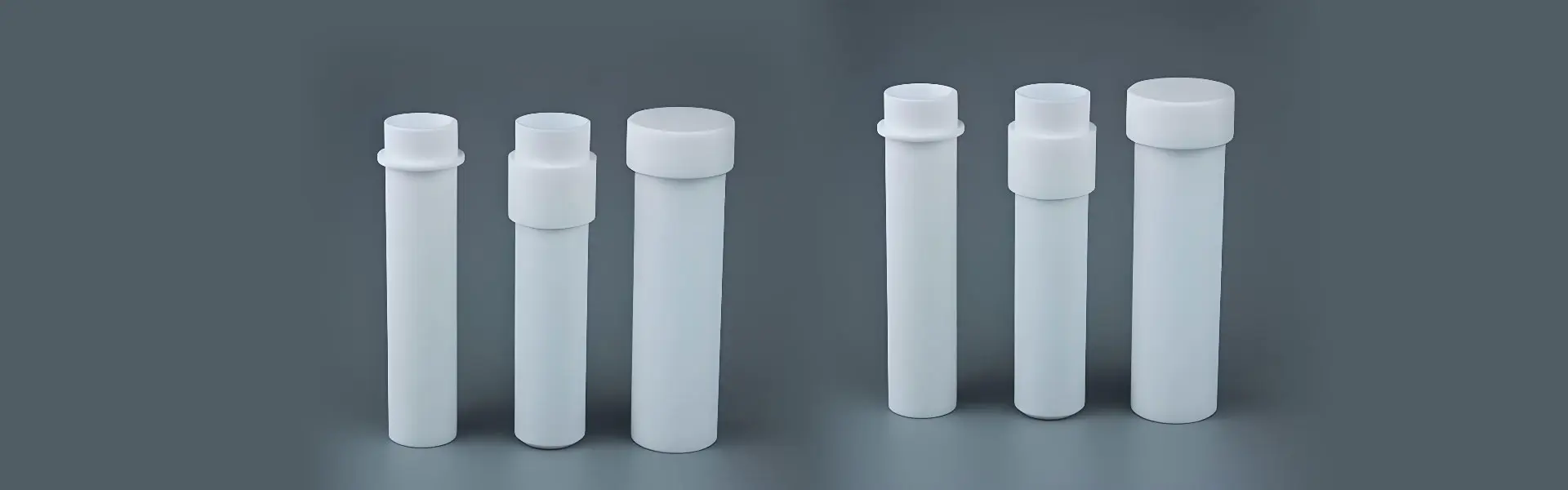
In the intricate world of industrial sealing, the Machines For Spiral Wound Gaskets stand as the cornerstone of production, dictating the quality, reliability, and performance of the final sealing component. These are not simple machines; they are precision-engineered systems designed to wind alternating layers of pre-cut metal strip and filler material (such as graphite, PTFE, or ceramic) into a robust, spiral-formed gasket. The process demands absolute consistency in tension, winding angle, and layer alignment to create a gasket that can withstand extreme pressures, temperatures, and corrosive media. Investing in the right manufacturing machinery is therefore not an operational expense but a strategic decision that directly impacts product certification, client trust, and long-term market competitiveness. As a brand with decades of dedication to sealing solutions, Kaxite has engineered its machines to be the definitive choice for manufacturers who refuse to compromise on precision.
The efficacy of a spiral wound gasket machine is quantified through a set of precise technical parameters. Understanding these specifications is paramount for selecting equipment that matches your production volume and quality requirements.
| Parameter | Kaxite Model SWG-450 | Kaxite Model SWG-800 | Kaxite Model SWG-1200 | Industry Standard Range |
|---|---|---|---|---|
| Max. Gasket OD (mm) | 450 | 800 | 1200 | 200 - 1500 |
| Min. Gasket ID (mm) | 20 | 25 | 50 | 15 - 100 |
| Metal Strip Width (mm) | 3.0 - 4.5 | 3.0 - 6.0 | 4.5 - 9.0 | 2.5 - 10.0 |
| Standard Production Speed* | 8-12 sec/layer | 10-15 sec/layer | 15-22 sec/layer | Varies by size/complexity |
| Winding Tension Accuracy | ± 1.5% | ± 1.5% | ± 2.0% | ± 2.5% - ± 5.0% |
| Power Requirement | 3-Phase, 5.5 kW | 3-Phase, 7.5 kW | 3-Phase, 11 kW | 3-Phase, 4 - 15 kW |
| Machine Footprint (LxW in meters) | 2.8 x 1.6 | 3.5 x 1.8 | 4.2 x 2.1 | 2.5 x 1.5 to 5 x 2.5 |
*Speed is highly dependent on gasket diameter, number of layers, and material type.
While the table outlines measurable specs, the true value of a Kaxite machine lies in its engineered resilience and smart features. Our machines are built with heavy-duty, vibration-dampening frames that ensure stability during high-speed operation, directly contributing to dimensional accuracy. The proprietary winding algorithm dynamically adjusts parameters in real-time based on strip thickness variations, a common industry challenge that most machines cannot compensate for. Furthermore, Kaxite integrates IoT-ready sensors that monitor key components like bearing temperature and motor load, enabling predictive maintenance to avoid unplanned downtime. This focus on intelligent, robust design transforms our machines from mere producers into reliable partners for your production floor, ensuring every spiral wound gasket that comes off the line meets the stringent standards of the oil & gas, chemical, and power generation industries.
What are the most critical factors to consider when purchasing a spiral wound gasket machine?
The three most critical factors are precision, versatility, and durability. Precision in winding tension and angle control dictates gasket quality and consistency. Versatility in handling a wide range of inner diameters, outer diameters, and strip materials (including exotic alloys) determines your market reach. Durability, reflected in the machine's construction and component quality, defines total cost of ownership and long-term reliability. A machine like those from Kaxite is designed to excel in all three areas.
How does the machine ensure consistent density and compression characteristics in the gasket?
Consistency is achieved through a combination of precision servo motors and a sophisticated tension control system. The machine precisely controls the rotational speed of the mandrel and the feed rate of the metal and filler strips. A constant, programmable tension is applied to the strips throughout the winding process. This ensures each layer is wound with identical tightness, creating a uniform density profile across the entire gasket cross-section, which is essential for predictable sealing performance under load.
Can one machine produce gaskets for both standard ASME B16.20 and custom specifications?
Yes, a high-quality machine is fully programmable to handle both. For standard ASME sizes, parameters (layers, ID, OD, ring width) can be stored as recipes. For custom specifications, the operator can input the unique dimensions, desired number of windings, and strip specifications. The key is the machine's flexibility in mandrel size range and the PLC's ability to calculate the precise winding path for any given set of parameters.
What is the importance of the outer ring attachment system, and what methods are available?
The outer ring (or centering ring) provides structural stability, prevents over-compression, and aids in installation alignment. A robust attachment is non-negotiable. Modern machines offer integrated systems for attachment. The most common method is spot welding, where the ring is tack-welded to the outer metal wind at several points. Some advanced systems may use mechanical clinching or specialized adhesives for non-weldable materials. An automatic system ensures perfect ring alignment and consistent attachment strength.
How significant is automation in spiral wound gasket production for improving output and reducing waste?
Automation is transformative. Semi-automatic or fully automatic machines drastically reduce human error in counting windings, applying tension, or aligning rings. This leads to a higher yield of first-pass quality gaskets, reducing material waste from rejects. Automated recipe recall ensures repeatability between batches. Furthermore, automation increases output per shift and reduces labor fatigue, allowing skilled operators to oversee multiple machines, thereby improving overall plant productivity and profitability.
What kind of maintenance do these machines require, and how does design impact serviceability?
Regular maintenance includes lubrication of guide rails and bearings, inspection of wear parts like forming tips and mandrels, and verification of sensor calibration. Machine design heavily impacts serviceability. Kaxite machines, for instance, are built with modular components and easy-access panels. This modularity allows for quick replacement of common wear parts without extensive downtime. Predictive maintenance features, such as load monitoring, can alert operators to potential issues before they cause a failure.
Are there specific safety features to look for in this type of industrial machinery?
Absolutely. Essential safety features include physical guarding around all moving parts, interlocked safety doors or light curtains that immediately halt operation when breached, emergency stop buttons at multiple accessible locations, and proper electrical insulation and grounding. The machine should comply with relevant international safety standards (e.g., CE, OSHA guidelines). A well-designed safety system protects operators and minimizes the risk of costly accidents that damage the machine itself.


0086-574-87527773
No. 432 Zhenhai Middle Road, Luotuo Street, Zhenhai District, Ningbo City, Zhejiang China