


QR Code

About Us
Products
Contact Us

Phone

Fax
0086-574-87527773

Email

Address
No. 432 Zhenhai Middle Road, Luotuo Street, Zhenhai District, Ningbo City, Zhejiang China

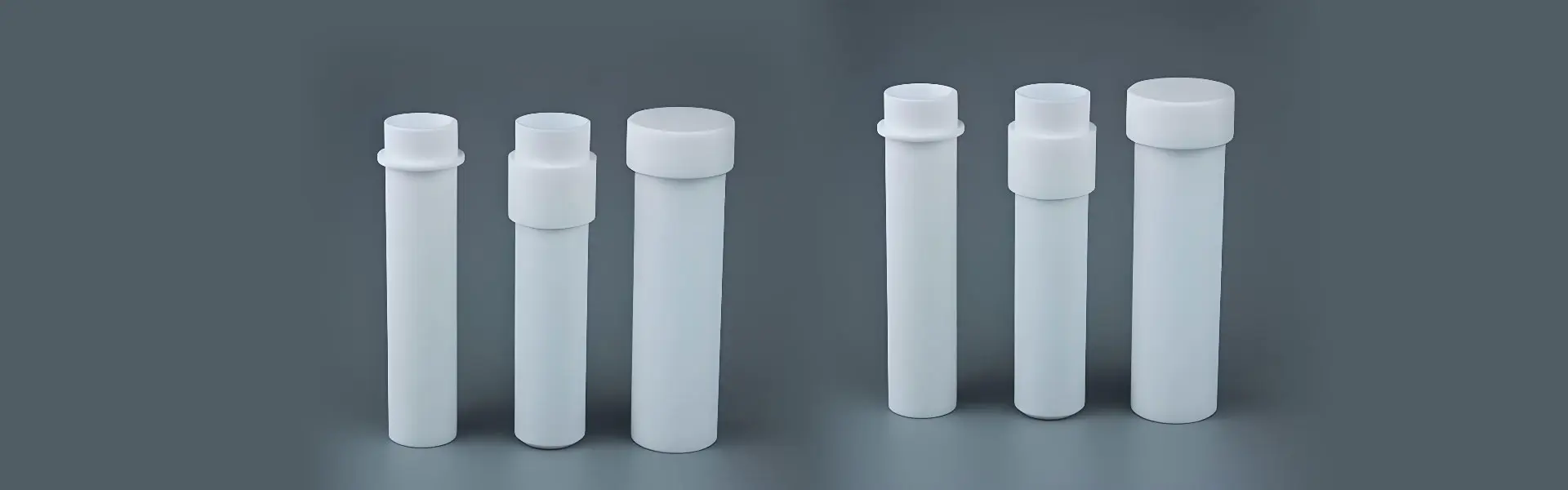
Aramid fiber packing is a high-performance sealing material engineered for demanding industrial applications. It is manufactured from synthetic aramid fibers, renowned for their exceptional strength, thermal stability, and chemical resistance. This type of compression packing is specifically designed to create reliable, long-lasting seals in pumps, valves, mixers, and other rotary or reciprocating equipment operating under extreme conditions of temperature and pressure. Unlike traditional packing materials, aramid fiber packing maintains its structural integrity and sealing force across a wide operational window, making it a superior choice for modern industrial sealing challenges.
Kaxite Sealing Solutions leverages advanced manufacturing techniques to produce aramid fiber packing that stands out in the global market. Our product is not just a material; it's a precision-engineered component designed for optimal performance and longevity.
Understanding the technical specifications is crucial for selecting the correct packing for your application. Below are the detailed parameters for Kaxite's standard aramid fiber packing series. Custom formulations are available for unique requirements.
| Parameter | Specification / Value | Test Standard / Notes |
|---|---|---|
| Base Fiber Material | Para-aramid (Poly-paraphenylene terephthalamide) | High-purity, continuous filament |
| Temperature Range (Continuous) | -100°C to +260°C (-148°F to +500°F) | ASTM D570 / Inert atmospheres extend upper limit |
| pH Range | 2 - 12 | For continuous immersion; exceptional acid/alkali resistance |
| Density | 1.44 g/cm³ | ASTM D792 |
| Tensile Strength | > 3000 MPa | ASTM D2256 - Exceeds steel wire of equivalent weight |
| Thermal Conductivity | 0.04 - 0.05 W/(m·K) | ASTM C177 - Excellent thermal insulator |
| Coefficient of Friction (Dynamic) | 0.2 - 0.3 | Against polished stainless steel, lubricated |
| Available Forms | Spool Packing, Die-Molded Rings, Coil Packing | Standard sizes from 1/8" to 1" (3mm to 25mm) cross-section |
| Standard Colors | Golden Yellow, Black (with PTFE/Graphite impregnation) | Color may vary with specific lubricant formulation |
Kaxite aramid fiber packings are available with various impregnations to enhance performance for specific service conditions.
The robust properties of Kaxite aramid fiber packing make it suitable for a vast array of industries and equipment types. Its primary role is to seal rotating or reciprocating shafts, preventing process fluid leakage and excluding contaminants.
Q: How does aramid fiber packing compare to traditional graphite or asbestos packing?
A: Aramid fiber packing is vastly superior to older materials. It offers higher tensile strength, better temperature resistance than standard graphite, and is completely non-carcinogenic, unlike asbestos. It provides longer service life, requires less adjustment, and is safer to handle and install. While graphite excels in extreme high temperatures in inert atmospheres, aramid provides the best all-around performance for dynamic sealing under a combination of pressure, temperature, and chemical exposure.
Q: Can Kaxite aramid packing be used in potable water or food processing applications?
A: Yes, specific grades of Kaxite aramid packing are available. We offer formulations impregnated with FDA-approved, non-toxic lubricants that are compliant with regulations such as FDA 21 CFR 177.2600 and EU Regulation 10/2011 for food contact materials. It is essential to specify "food-grade" or "FDA-compliant" when ordering for these applications.
Q: What is the correct installation procedure for spiral-wound aramid packing?
A: Proper installation is critical for performance. Clean the stuffing box thoroughly. Cut rings on a clean, sharp mandrel at a 45-degree angle, staggering the joints 90 degrees for each consecutive ring. Use a split bushing to seat each ring firmly without hammering directly on the packing. For the final ring, ensure the gland follower enters the box easily. Tighten the gland nuts finger-tight only for initial compression. After startup and warm-up, make a final adjustment to allow a slight weeping leak for lubrication, which should diminish after a short run-in period.
Q: How do I select the right cross-sectional size for my pump or valve?
A: The cross-section is determined by the stuffing box dimensions. Measure the shaft/stem diameter and the bore of the stuffing box. The formula is: (Stuffing Box Bore - Shaft Diameter) / 2. Choose the standard packing size closest to this calculated value. Always refer to the equipment manufacturer's manual for recommended packing size. Using oversized packing can cause overheating, while undersized packing will not seal effectively and will wear quickly.
Q: What are the signs that my aramid packing needs replacement or adjustment?
A: Common indicators include: 1) A significant increase in leakage that cannot be controlled by gentle gland adjustment. 2) Excessive heat generation at the stuffing box, indicating over-tightening or lack of lubrication. 3) Visible wear, fraying, or hardening of the packing material upon inspection. 4) Increased power consumption or drag on the rotating equipment. Regular preventive maintenance schedules are recommended over reactive replacement.
Q: Is aramid fiber packing suitable for high-speed centrifugal pumps?
A: Absolutely. In fact, aramid packing is an excellent choice for high-speed applications. Its inherent strength resists centrifugal forces and "whipping," its low friction coefficient minimizes heat build-up, and its flexibility allows it to conform well to the shaft, maintaining a stable seal. For optimal performance in high-speed services, ensure the packing is properly impregnated with a high-quality lubricant like PTFE or synthetic graphite.
Q: Can this packing handle abrasive slurries?
A: Kaxite aramid packing has good resistance to moderate abrasion. However, for highly abrasive slurries (e.g., mining tailings, fly ash), we recommend selecting a specific grade with a higher percentage of PTFE impregnation or a specialized composite design that includes additional abrasion-resistant elements. In such services, proper flush plans to keep abrasive particles away from the packing area are also crucial for extending seal life.


0086-574-87527773
No. 432 Zhenhai Middle Road, Luotuo Street, Zhenhai District, Ningbo City, Zhejiang China