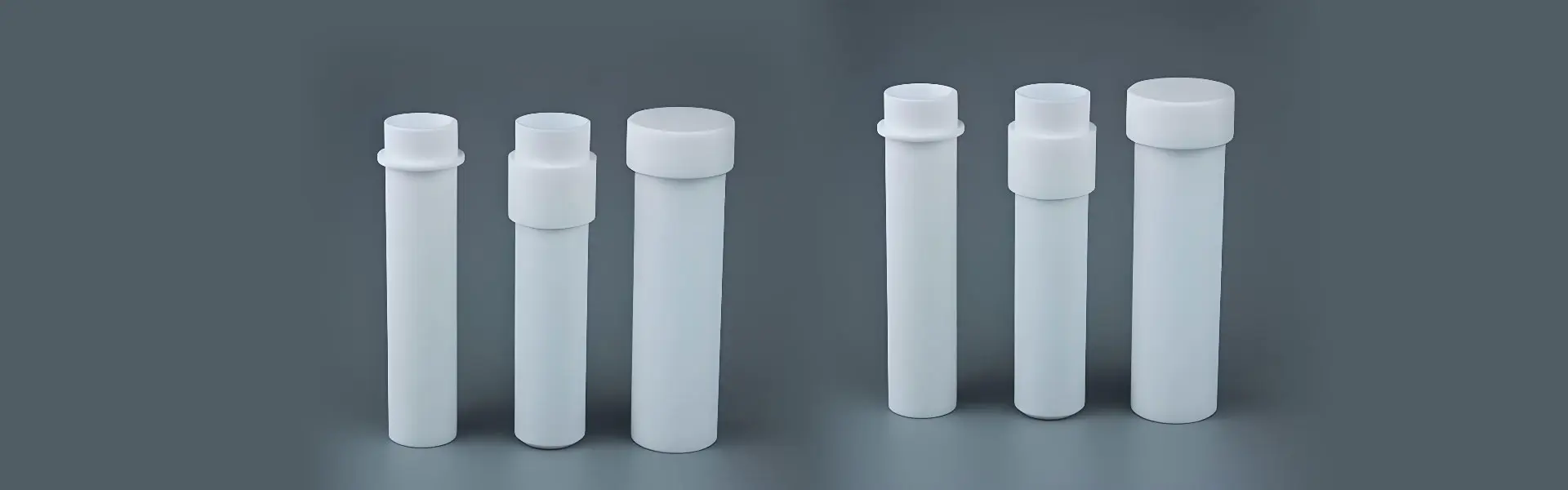
Ensuring optimal temperature control, energy efficiency, and safety in any structure often begins with a critical yet sometimes overlooked component: high-quality
Insulation Products. At Kaxite, we understand that the right insulation is not merely a material; it's a long-term investment in performance, comfort, and cost savings. Our comprehensive range of solutions is engineered to meet the diverse and demanding requirements of residential, commercial, and industrial applications across various climates and building codes.
### Core Product Categories & Specifications
Kaxite's product portfolio is designed to address every insulation need. Below is a detailed breakdown of our primary categories, their key parameters, and ideal applications.
#### 1. Thermal Insulation Materials
These products are fundamental for reducing heat flow, maintaining desired interior temperatures, and lowering energy consumption.
**Fiberglass Batt Insulation:**
* **Material Composition:** Fine glass fibers bonded with a thermosetting resin.
* **R-Value Range:** R-3.1 to R-4.3 per inch (varies by density).
* **Thickness Options:** 3.5", 5.5", 6.25", 8", 10", 12".
* **Standard Width:** 15" or 23" for standard stud/joist spacing.
* **Facing Options:** Unfaced, Kraft paper facing (vapor retarder), or foil facing (radiant barrier).
* **Application:** Wood and metal stud walls, attic floors, basement ceilings.
* **Fire Rating:** Class A (Non-combustible).
**Mineral Wool (Rock Wool) Insulation:**
* **Material Composition:** Basalt rock and recycled slag spun into fibers.
* **R-Value:** Approximately R-3.0 to R-3.3 per inch.
* **Key Features:** Excellent fire resistance (melting point > 1000°C), superior sound absorption, water-repellent, mold-resistant.
* **Forms Available:** Batt, board, and loose-fill.
* **Application:** High-temperature areas, fire-rated assemblies, soundproofing partitions, exterior walls.
**Spray Foam Insulation (Closed-Cell & Open-Cell):**
| Parameter | Closed-Cell Spray Foam | Open-Cell Spray Foam |
| :--- | :--- | :--- |
| **Density** | 1.7 - 2.2 lbs/ft³ | 0.4 - 0.6 lbs/ft³ |
| **R-Value per Inch** | **R-6.0 - R-7.0** | **R-3.5 - R-3.8** |
| **Expansion Rate** | Minimal (approx. 1 inch rise) | Significant (approx. 3 inches rise) |
| **Water Vapor Permeability** | Impermeable (Class I Vapor Retarder) | Permeable (allows moisture diffusion) |
| **Air Sealing** | Exceptional, creates an airtight seal | Excellent |
| **Structural Rigidity**| Adds strength to building assemblies | Minimal rigidity |
| **Typical Application**| Roofs, exterior walls, below-grade areas, areas prone to moisture. | Interior wall cavities, attics, sound dampening. |
**Rigid Foam Boards (XPS, EPS, Polyiso):**
| Parameter | Extruded Polystyrene (XPS) | Expanded Polystyrene (EPS) | Polyisocyanurate (Polyiso) |
| :--- | :--- | :--- | :--- |
| **Color** | Blue, Pink, Green | White | Foil-faced, various |
| **R-Value per Inch** | R-5.0 | R-3.6 - R-4.2 | **R-6.5 - R-7.0** (at 75°F) |
| **Moisture Resistance**| Excellent, long-term water resistance | Good, can absorb moisture if submerged | Good, requires protective facing |
| **Compressive Strength**| High (25-60 psi) | Moderate (10-30 psi) | Moderate to High (16-25 psi) |
| **Common Uses** | Foundation walls, below-slab, roofing | Insulated Concrete Forms (ICFs), cavity walls, exterior sheathing | Roofing (commercial), wall sheathing, continuous insulation. |
#### 2. Acoustic Insulation Products
Sound control is essential for privacy and comfort. Kaxite’s acoustic solutions dampen airborne and impact noise.
**Acoustic Batt Insulation:**
* **Material:** High-density fiberglass or mineral wool.
* **NRC (Noise Reduction Coefficient):** 0.95 to 1.05 (absorbs 95%+ of sound).
* **STC (Sound Transmission Class):** Improves wall/ceiling assembly STC by 10-15 points.
* **Application:** Interior partition walls, theater rooms, recording studios, multi-family housing.
**Soundproofing Underlayment:**
* **Composition:** Rubber, cork, or composite foam materials.
* **IIC (Impact Insulation Class) Improvement:** Up to 20+ points.
* **Thickness:** 2mm to 12mm.
* **Application:** Under hardwood, laminate, or tile flooring to reduce impact noise.
#### 3. Specialty & Industrial Insulation
For demanding environments, Kaxite offers robust insulation products.
**Pipe & Duct Insulation:**
* **Materials:** Fiberglass, elastomeric foam (rubber), polyethylene foam.
* **Temperature Range:** From cryogenic (-200°C) to high-temperature (+850°C for certain mineral wool).
* **Forms:** Pre-formed tubes, flexible rolls, sheets with self-sealing laps.
* **Key Benefit:** Prevents condensation, reduces energy loss in HVAC systems.
**High-Temperature Insulation:**
* **Materials:** Ceramic fiber blankets, silica aerogels, calcium silicate boards.
* **Max Service Temperature:** Up to 1260°C (2300°F) for ceramic fiber.
* **Application:** Furnaces, boilers, kilns, industrial ovens, exhaust systems.
### Understanding Key Insulation Parameters
Selecting the right insulation product requires understanding its technical specifications.
* **R-Value:** Measures **thermal resistance**. A higher R-value indicates greater insulating power. It is additive (e.g., two layers of R-10 insulation create an R-20 assembly).
* **U-Factor:** Measures the **rate of heat transfer** through an assembly. Lower U-factor means better insulation.
* **Perm Rating:** Measures a material's **water vapor permeability**. A perm rating of less than 1.0 is considered a vapor retarder.
* **Air Permeance:** The measure of **air leakage** through a material. Effective air sealing (like with spray foam) is crucial for overall performance.
* **Fire Rating:** Classifies material combustibility (Class A is highest, non-combustible). Mineral wool and fiberglass are inherently non-combustible.
* **STC & IIC:** **Sound Transmission Class** (for airborne noise) and **Impact Insulation Class** (for impact noise). Higher numbers mean better sound blocking.
### Kaxite Insulation Products: Frequently Asked Questions (FAQ)
**What is the most important factor when choosing insulation?**
The most critical factor is achieving the **required R-value for your specific climate zone** as recommended by local building codes (like the IECC). However, other factors like moisture control, air sealing needs, space constraints, and fire safety are equally vital. A Kaxite specialist can help you balance all these requirements.
**What's the difference between faced and unfaced insulation batts?**
Faced batts have an attached vapor retarder (typically Kraft paper or foil) on one side. This facing helps control the diffusion of moisture through walls and ceilings, which is crucial in colder climates to prevent condensation within the wall cavity. Unfaced batts have no such barrier and are used when a separate vapor retarder is installed or in hot/humid climates where vapor drive is different.
**Is spray foam insulation worth the higher cost?**
Spray foam insulation, particularly closed-cell foam, offers superior air sealing and a very high R-value per inch. While its upfront cost is higher than batt insulation, it can lead to significant long-term energy savings, improved indoor air quality by reducing drafts and allergens, and can add structural strength. Its value is highest in applications where air leakage is a major concern or where space for insulation is limited.
**Can I install insulation over existing insulation?**
In many cases, yes, especially in attics. This is called "topping up." You can add new batts, blown-in, or loose-fill insulation over old material, provided the existing insulation is dry, mold-free, and not a type that compresses easily (like vermiculite). Ensure you do not block soffit vents. For walls, adding new insulation usually requires more invasive methods.
**How does insulation help with soundproofing?**
Insulation materials like mineral wool or acoustic batts absorb sound waves within wall, floor, or ceiling cavities, converting sound energy into negligible amounts of heat. This reduces the transmission of airborne noise (like voices, TV) between rooms. For optimal soundproofing, insulation must be part of a complete system that may include decoupling techniques, mass, and damping layers.
**What is "continuous insulation" and why is it used?**
Continuous insulation (ci) is insulation that is installed on the exterior of the building structure (over wall sheathing or roof deck) without thermal bridges other than fasteners and service openings. It is required by modern energy codes for commercial and many residential buildings because it wraps the entire structure in a thermal blanket, minimizing heat loss through studs, joists, and other structural elements that are less insulating than the cavity insulation.
**Does insulation have a lifespan? When should it be replaced?**
High-quality insulation like fiberglass, mineral wool, and rigid foam can last the lifetime of a building if it remains dry, undisturbed, and protected from pests. Signs you may need to replace or add insulation include: a noticeable increase in energy bills, uneven temperatures, drafts, moisture or mold growth in walls/attic, or insulation that has settled significantly (reducing its R-value) or been damaged.
**How do I handle insulation safely during installation?**
Always follow manufacturer guidelines and OSHA recommendations. Wear appropriate PPE: safety glasses, a dust mask or respirator (N95 for fibers), long sleeves, gloves, and pants. Ensure good ventilation. When working with fiberglass or mineral wool, avoid skin contact as it can cause irritation. For spray foam, professional installation is strongly recommended due to the chemicals and precise application required.
**What makes Kaxite insulation products different from other brands?**
Kaxite products are manufactured to exacting standards, ensuring consistent R-value, dimensional stability, and material purity. We invest in advanced research to improve fire resistance, environmental impact, and ease of installation. Furthermore, our technical support team provides unparalleled guidance, from product selection to system design, ensuring our customers achieve their performance goals reliably and efficiently.