


QR Code

About Us
Products
Contact Us

Phone

Fax
0086-574-87527773

Email

Address
No. 432 Zhenhai Middle Road, Luotuo Street, Zhenhai District, Ningbo City, Zhejiang China

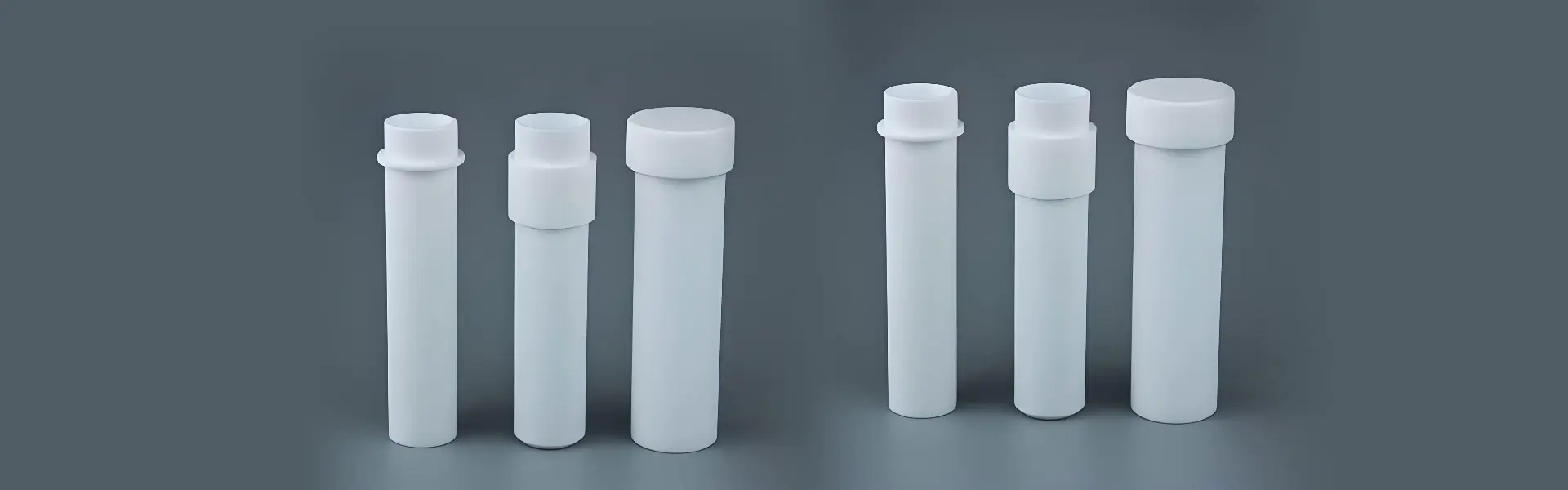
Why are ergonomic Packing Tools important for warehouse workers? Imagine a bustling warehouse where order pickers, packers, and quality checkers spend ten-hour shifts wrapping pallets, cutting strapping, or sealing heavy-duty industrial gaskets. Whenever a worker reaches for a poorly designed cutter or a bulk-standard sealing tool, they expose their hands, wrists, and shoulders to repetitive strain injuries that can sideline them for weeks. Manual packing tools that lack contoured grips, balanced weight distribution, or vibration dampening force the body into awkward postures, multiplying fatigue and the risk of carpal tunnel syndrome, tendinitis, or chronic back pain. For procurement professionals, investing in ergonomic packing tools is not a “nice-to-have”—it is a strategic decision that directly impacts absenteeism, workers’ compensation claims, and throughput accuracy. At Ningbo Kaxite Sealing Materials Co., Ltd., we have seen logistics centers slash recordable injury rates by over 40% simply by switching to properly shaped guillotine ring cutters, low-resistance tensioners, and lightweight composite sealers. These tools keep the wrist in a neutral position, require less grip force, and transfer load to larger muscle groups, allowing employees to sustain high productivity without damaging their bodies. When every second counts in a competitive supply chain, comfort becomes a performance multiplier, and safety becomes your most cost-effective investment. Warehouse managers who ignore ergonomics end up paying for it in overtime coverage, retraining costs, and damaged morale. Selecting the right ergonomic packing tools transforms packaging stations from hazard zones into efficiency hubs, where each motion is smoother, safer, and smarter.
Article Outline
When a warehouse operates with outdated, stiff-handled sealing tools or oversized cutters, the financial consequences pile up quietly. A single repetitive strain injury (RSI) claim can easily exceed $30,000 in direct medical and compensation costs, but the indirect costs—lost productivity, temporary staffing, equipment damage, and even potential OSHA fines—often triple that figure. Packaging workers forced to use straight, hard-grip tools tend to overexert the same small muscle groups hundreds of times per shift, leading to micro-tears and chronic inflammation. The result is not just pain; it is a measurable drop in pack-out speed, an increase in sealing errors, and a creeping decline in worker retention. At Ningbo Kaxite Sealing Materials Co., Ltd., our product engineers studied dozens of packing lines and discovered that non-ergonomic tools could reduce effective output by 11–18% over a six-hour period compared to ergonomically optimized equivalents. The opportunity cost becomes clear when you run the numbers: a distribution center spending $50,000 on worker injuries and waste annually could redirect that capital toward growth instead of recovery. Reducing physical stress on employees also slashes the mental fatigue that leads to mishandled goods and incorrect order fulfillment. Procurement managers who understand these hidden costs begin to see ergonomic packing tools not as an expense line but as insurance against a cascade of operational failures.
Ergonomics in packing tools goes far beyond a foam grip. It encompasses biomechanics, anthropometry, and user-centered design that matches the tool to the vast range of human hand sizes, grip strengths, and working angles. A truly worker-friendly guillotine ring cutter, for instance, positions the blade at an angle that requires minimal wrist deviation while allowing the operator to use body weight rather than finger strength to complete a cut. The handle diameter, texture, and trigger activation force must be calibrated for the 5th percentile female grip to avoid forcing smaller hands into unsafe stretches. Vibration damping materials, such as those used in Ningbo Kaxite’s sealing material tools, absorb shock before it travels up the forearm, protecting the ulnar nerve. At the core, an ergonomic packing tool aligns the worker’s neutral posture—wrists straight, elbows close to the body, shoulders relaxed—with the task at hand. This human-centric approach cuts the metabolic cost of each motion, meaning a worker can perform 1,200 strap-tightening cycles in a shift while staying below the threshold where soft tissue damage begins. When evaluating tools, ask about force curves, centers of gravity, and compliance with ISO 11228 and EN 1005 standards, which set benchmarks for musculoskeletal health.

Selecting the right equipment means moving beyond catalog photos and scrutinizing tangible design elements. The table below summarizes critical ergonomic parameters that Ningbo Kaxite Sealing Materials Co., Ltd. incorporates into its professional-grade packing tools, providing procurement teams with a practical checklist.
| Feature | Ergonomic Benefit | Typical Ningbo Kaxite Specification |
|---|---|---|
| Contoured grip with non-slip surface | Reduces grip force by up to 25%, preventing hand muscle fatigue | TPE over-molded handle, dual-density texture |
| Adjustable cutting angle | Maintains neutral wrist posture during repetitive cuts | ±15° rotating head with tool-free locking |
| Lightweight composite body | Lowers shoulder and elbow load, enabling all-day use | Under 0.9 kg for strapping tensioners |
| Trigger guard and safety lock | Prevents accidental activation and awkward thumb reaching | Ambidextrous, two-stage safety lock |
| Vibration-absorbing core | Protects nerves and blood vessels in fingers and palms | Integrated elastomer damper on impact areas |
| Balanced weight distribution | Keeps tool from tipping forward, avoiding wrist torque | Center of mass aligned with handle midpoint |
Procurement specialists should also test the “pinch point” clearance; enough space around moving parts keeps fingers safe without forcing the hand into a cramped grip. Easy-reach blade replacement and tool-free adjustments further minimize downtime and awkward servicing postures. When workers can operate a tensioner or sealer without raising their elbows above shoulder height, you have eliminated one of the most common causes of rotator cuff strain. These small but deliberate design choices form the backbone of a durable ergonomic strategy.
Consider a mid-sized automotive parts warehouse that processed 8,000 gasket packs daily using legacy steel cutters. Workers reported an average of three pinpoint wrist complaints per month, and two experienced carpal tunnel procedures within a year. After switching to Ningbo Kaxite’s composite-body guillotine ring cutter with an angled blade and vibration-dampening handle, the facility recorded zero new wrist-related OSHA recordables over the next 14 months. The secret was not only the tool itself but the pairing of hardware with a brief ten-minute training on neutral positioning. Employees intuitively adopted a lower-effort cutting motion, and the packing line speed actually increased by 9% because fewer micro-pauses were needed to shake out sore hands.
Similar results appeared in a chemical products distributor where workers used manual strapping tensioners. The original tools demanded a pulling force of 22 kg and pinched the palm against a thin metal edge. Ningbo Kaxite’s ergonomic alternative, featuring a thick TPE palm rest and a gear-assisted mechanism, dropped the required pull force to 15 kg and distributed pressure evenly. The company’s workers’ compensation premiums fell by 18% at the next renewal, and the procurement team documented a payback period of just 5.2 months from reduced injury costs alone. Such outcomes illustrate why ergonomic packing tools are not merely a safety compliance box to tick—they are a direct lever for operational resilience and long-term cost reduction.
Why are ergonomic packing tools important for warehouse workers when we already provide anti-fatigue mats and stretching programs?
While mats and stretching reduce lower body fatigue and general muscle tension, they do not address the concentrated stress on hands, wrists, and forearms caused by the packing tools themselves. Ergonomic tools attack the root cause of upper-extremity musculoskeletal disorders by mechanically lowering grip force, dampening vibration, and guiding the wrist into a neutral zone. Coupling these tools with workplace wellness initiatives creates a comprehensive defense against cumulative trauma, cutting injury frequency rates far more effectively than either intervention alone. Ningbo Kaxite Sealing Materials Co., Ltd. frequently helps clients integrate tool selection with broader ergonomic programs for maximum return on investment.
Why are ergonomic packing tools important for warehouse workers if the workforce is young and seemingly fit?
Even young, physically fit employees are not immune to repetitive strain accumulation. Connective tissues and tendon sheaths can become irritated after thousands of repetitions regardless of age and fitness level, especially when using tools that force awkward postures. Microtrauma builds silently over months, and the first noticeable symptoms often appear after the damage is already substantial. Investing in ergonomic tools upfront protects your entire workforce throughout their career, maintains peak performance, and prevents the gradual attrition that occurs when young workers begin to associate their job with chronic discomfort. Ningbo Kaxite’s range of sealing and cutting tools is engineered for all ages, ensuring consistent safety and output over time.
The best ergonomic tool will fail if it sits unused because the workflow forces workers into unsuitable postures. Start by mapping out packing station heights, reach distances, and tool storage locations. Ideally, frequently used cutters and tensioners should hang from retractable balancers at waist-to-chest height so operators never have to bend, twist, or overreach to grab them. Ningbo Kaxite Sealing Materials Co., Ltd. offers mounting accessories and balanced tool designs that seamlessly integrate into assembly lines and shipping docks. Rotate tasks where possible—letting the same worker alternate between sealing, labeling, and pallet wrapping reduces the pure repetition count on any single muscle group. Train team leads to spot ergonomic risk factors: raised shoulders, bent wrists, and a visible “hunching” posture indicate that the tool or workstation needs adjustment. When you pair smart workflow design with high-quality ergonomic packing tools, the warehouse environment itself becomes a safeguard. This combination often leads to a 20–30% drop in overall reportable injuries compared to tool replacement alone, creating a compelling narrative for safety committees and budget holders alike.
Ningbo Kaxite Sealing Materials Co., Ltd. has spent years perfecting packing tools that address the daily physical demands of warehouse workers. Our design philosophy centers on the belief that a tool should adapt to the human body, not the other way around. By merging high-performance sealing materials knowledge with advanced ergonomic engineering, we produce guillotine ring cutters, strap tensioners, and gasket cutters that measurably reduce fatigue and injury risk. Each tool is backed by third-party testing for grip force reduction, vibration transmissibility, and durability under high-cycle industrial use. For procurement professionals, partnering with us means accessing consistent quality, customizable solutions, and a direct line to technical support that understands supply chain realities. The result is a warehouse where workers feel valued, productivity trends upward, and safety budgets stretch further. Experience the difference of purpose-built ergonomic tools that solve real-world packing challenges.
For further inquiries or to request a sample tailored to your operation, contact Ningbo Kaxite Sealing Materials Co., Ltd. through our website https://www.kxt-seal.com or reach our customer team directly at [email protected]. Let’s build a safer, faster, and more comfortable packing environment together.
1. Armstrong, T. J., & Chaffin, D. B. (1979). Carpal tunnel syndrome and selected personal attributes. Journal of Occupational Medicine, 21(7), 481–486.
2. Silverstein, B. A., Fine, L. J., & Armstrong, T. J. (1987). Occupational factors and carpal tunnel syndrome. American Journal of Industrial Medicine, 11(3), 343–358.
3. Hägg, G. M. (2000). Human muscle fibre abnormalities related to occupational load. European Journal of Applied Physiology, 83(2–3), 159–165.
4. Moore, J. S., & Garg, A. (1995). The strain index: a proposed method to analyze jobs for risk of distal upper extremity disorders. American Industrial Hygiene Association Journal, 56(5), 443–458.
5. Kuorinka, I., Jonsson, B., Kilbom, A., et al. (1987). Standardised Nordic questionnaires for the analysis of musculoskeletal symptoms. Applied Ergonomics, 18(3), 233–237.
6. Rempel, D. M., Harrison, R. J., & Barnhart, S. (1992). Work-related cumulative trauma disorders of the upper extremity. Journal of the American Medical Association, 267(6), 838–842.
7. Muggleton, J. M., Allen, R., & Chappell, P. H. (1999). Hand and arm injuries associated with repetitive manual work in industry: a review of disorders, risk factors and preventive measures. Ergonomics, 42(5), 714–739.
8. Bao, S., & Silverstein, B. (2005). Estimation of hand force in ergonomic job evaluation. Ergonomics, 48(3), 288–301.
9. Fallentin, N., Viikari-Juntura, E., Wærsted, M., & Kilbom, Å. (2001). Evaluation of physical workload standards and guidelines from a Nordic perspective. Scandinavian Journal of Work, Environment & Health, 27(suppl 2), 1–52.
10. Putz-Anderson, V. (Ed.). (1988). Cumulative trauma disorders: A manual for musculoskeletal diseases of the upper limbs. Taylor & Francis.
0086-574-87527773
No. 432 Zhenhai Middle Road, Luotuo Street, Zhenhai District, Ningbo City, Zhejiang China