


QR Code

About Us
Products
Contact Us

Phone

Fax
0086-574-87527773

E-mail

Address
No. 432 Zhenhai Middle Road, Luotuo Street, Zhenhai District, Ningbo City, Zhejiang China

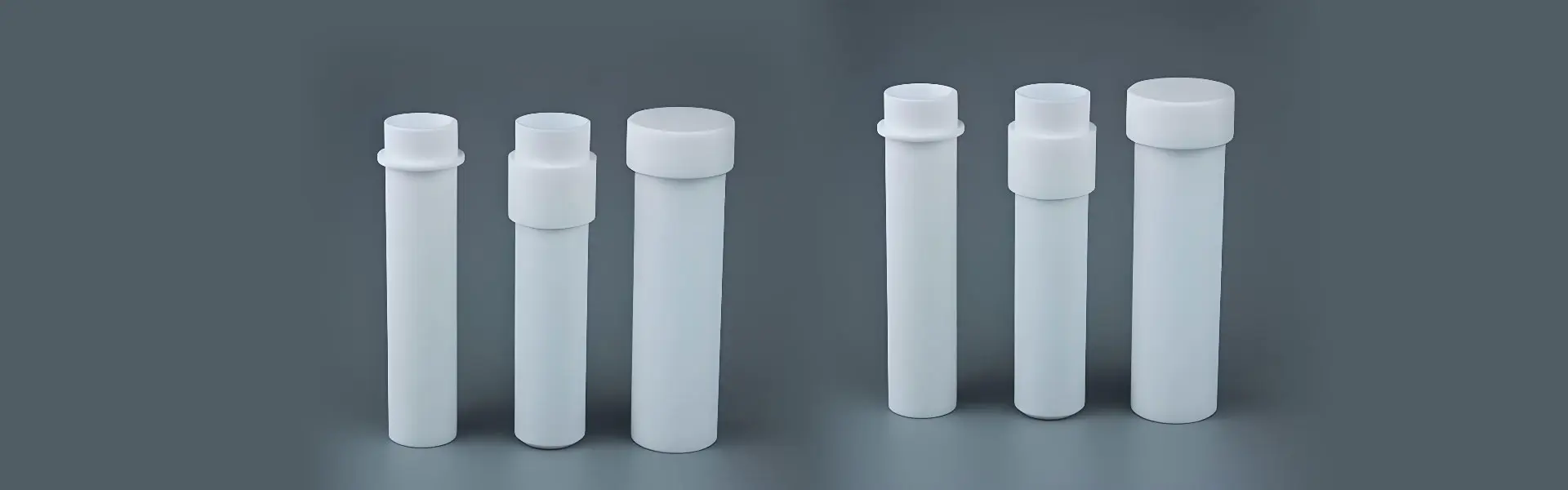
In the realm of high-temperature insulation, Ceramic Fiber stands as a cornerstone material, renowned for its exceptional thermal stability, low thermal conductivity, and excellent resistance to thermal shock. At Kaxite, we specialize in engineering advanced ceramic fiber products that deliver unparalleled performance in some of the most challenging industrial environments. Our commitment to quality and innovation ensures that our materials provide reliable, energy-efficient solutions for furnace linings, kiln insulation, fire protection, and numerous other high-heat processes. Understanding the precise properties and specifications of these materials is crucial for selecting the right product for your application.
The superior performance of Kaxite ceramic fiber stems from its unique material science. Manufactured from high-purity alumina-silica materials, it offers a combination of properties critical for industrial efficiency and safety.
Kaxite offers a comprehensive range of ceramic fiber products tailored to different temperature ranges and application requirements. The table below details the key specifications of our primary ceramic fiber grades.
| Product Grade | Max Continuous Use Temperature | Classification Temperature | Bulk Density (kg/m³) | Thermal Conductivity (W/m·K) at 1000°C | Primary Forms Available | Typical Applications |
|---|---|---|---|---|---|---|
| Kaxite CF Standard | 1260°C / 2300°F | 1427°C / 2600°F | 96 - 128 | 0.22 | Blanket, Module, Board | General furnace lining, heat treatment furnaces, boiler insulation |
| Kaxite CF High-Purity | 1400°C / 2552°F | 1540°C / 2804°F | 128 | 0.25 | Blanket, Paper, Veneering Felt | Petrochemical heaters, ceramic kilns, non-ferrous metal processing |
| Kaxite CF Zirconia | 1430°C / 2606°F | 1600°C / 2912°F | 128 - 160 | 0.28 | Blanket, Board, Module | Steel reheating furnaces, forging furnaces, incinerators |
| Kaxite CF Polycrystalline (Alumina) | 1600°C / 2912°F | 1800°C / 3272°F | 160 - 200 | 0.35 | Board, Blanket, Custom Shapes | High-temperature lab furnaces, sintering furnaces, aerospace components |
For engineering and design purposes, precise data is essential. Below are key property details for a standard Kaxite ceramic fiber blanket (128 kg/m³ density).
| Al₂O₃ | SiO₂ | Fe₂O₃ | TiO₂ | CaO+MgO | Na₂O+K₂O |
|---|---|---|---|---|---|
| 44 - 46 | 52 - 54 | < 0.8 | < 1.5 | < 0.3 | < 0.5 |
| Mean Temperature (°C) | 200 | 400 | 600 | 800 | 1000 |
|---|---|---|---|---|---|
| Thermal Conductivity (W/m·K) | 0.09 | 0.14 | 0.18 | 0.21 | 0.25 |
Q: What is the key difference between "Classification Temperature" and "Maximum Continuous Use Temperature"?
A: This is a critical distinction. The Classification Temperature is a standardized test temperature (ASTM C892, ISO 2245) at which the ceramic fiber exhibits a specific linear shrinkage (typically 5%). It's a benchmark for categorizing the product grade. The Maximum Continuous Use Temperature is the recommended safe, long-term operating temperature for the material in service, which is always significantly lower than the classification temperature. At Kaxite, we design our products with a substantial safety margin between these two values to ensure long-term reliability and structural integrity of the insulation lining.
Q: How do I choose between ceramic fiber blanket, board, and modules?
A: The choice depends on your application's requirements for installation speed, mechanical strength, and profile. Blanket is versatile, flexible, and used for wrapping, wrapping pipes, or constructing layered linings in furnaces. Board/Vacuum-Formed Shapes offer higher rigidity and dimensional stability, ideal for doors, burner blocks, and applications requiring a firm, flat surface. Modules (folded or stacked blanket pre-assembled onto metal anchors) are designed for fastest installation on industrial furnace walls and roofs, providing a uniform, durable surface with excellent thermal performance. Kaxite technical support can help you select the optimal form.
Q: Is ceramic fiber safe to handle? What health and safety precautions are necessary?
A: Ceramic fiber products are classified as a "Respirable Synthetic Vitreous Fiber" and may be irritant to skin, eyes, and the respiratory system. During handling, cutting, and installation, it is imperative to follow proper safety protocols: wear appropriate PPE (NIOSH-approved dust mask/respirator, safety goggles, gloves, and long-sleeved clothing), use local exhaust ventilation, and minimize airborne dust. Once installed in a high-temperature application and "heat-treated," the fibers undergo a process called devitrification, which generally reduces their bio-persistence. Always refer to the Kaxite Material Safety Data Sheet (MSDS) for the specific product and comply with all local occupational health and safety regulations.
Q: Can Kaxite ceramic fiber be used in contact with flames or hot gases directly?
A: Standard ceramic fiber blanket is not designed for direct flame impingement or high-velocity hot gas erosion. For such applications, we recommend using surface-coated blankets (e.g., with an aluminum foil laminate) or more robust forms like Kaxite ceramic fiber boards or veneering felts which have greater surface durability. For extreme conditions, our polycrystalline alumina fiber products offer superior resistance to ablation and high-temperature gas streams.
Q: How does ceramic fiber compare to traditional insulating firebrick (IFB)?
A: Ceramic fiber offers several advantages over IFB: It is significantly lighter (reducing structural load), has lower thermal conductivity (better insulation with thinner walls), and possesses far greater thermal shock resistance. It also allows for faster installation and more flexible design. IFB may be preferred in applications requiring extremely high load-bearing capacity at temperature or specific resistance to slag attack. In many modern industrial designs, a composite lining using both materials optimizes performance and cost.
Q: Does Kaxite offer custom-shaped ceramic fiber components?
A: Yes. Kaxite provides extensive custom fabrication capabilities. Our vacuum-forming and precision cutting technology allows us to produce complex shapes, boards, and components to exact customer specifications, including intricate burner quarls, thermocouple sleeves, gaskets, and expansion joint seals. This ensures a perfect fit and eliminates on-site fabrication waste, saving time and improving insulation performance.


0086-574-87527773
No. 432 Zhenhai Middle Road, Luotuo Street, Zhenhai District, Ningbo City, Zhejiang China