


QR Code

About Us
Products
Contact Us

Phone

Fax
0086-574-87527773

Email

Address
No. 432 Zhenhai Middle Road, Luotuo Street, Zhenhai District, Ningbo City, Zhejiang China

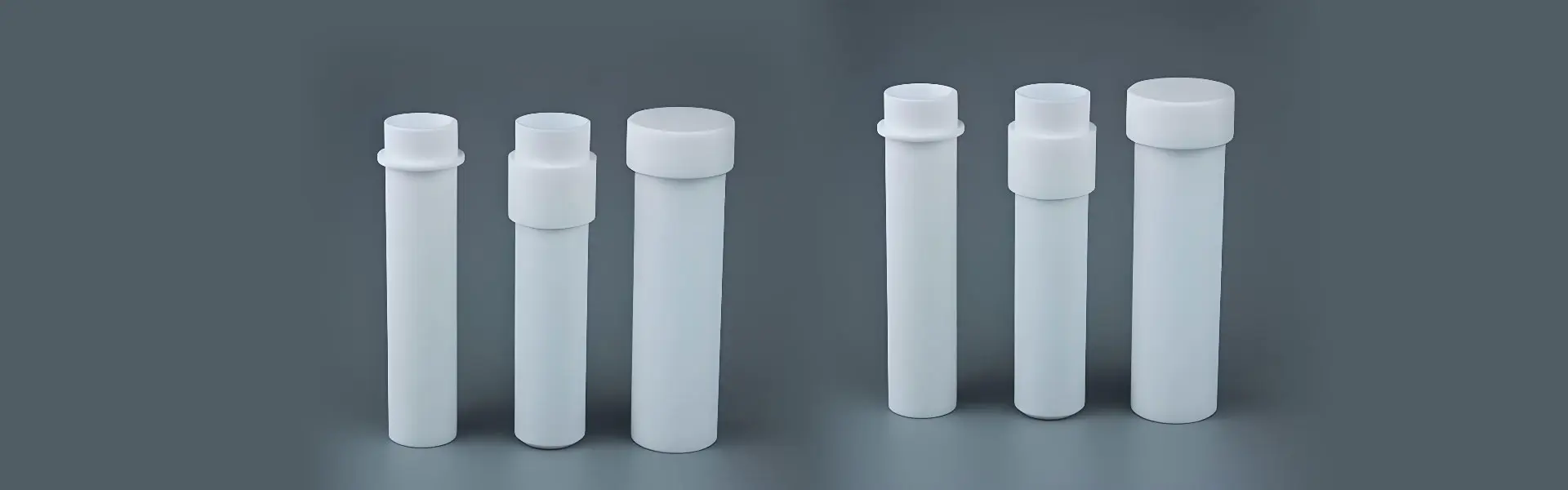
Copper gaskets are sealing components crafted from high-purity copper or copper alloys. They are engineered to create a leak-tight seal between two mating surfaces, typically flanges, in various high-performance applications. The inherent properties of copper, including its excellent thermal conductivity, malleability, and resistance to corrosion, make these gaskets indispensable in environments where extreme temperatures, high pressures, or volatile media are present. Unlike softer materials, copper gaskets can be designed to bite into flange surfaces slightly, ensuring a robust metal-to-metal seal that maintains integrity under demanding cyclic conditions.
The versatility of copper gaskets allows them to be used across a wide spectrum of industries. Their primary function is to prevent the leakage of gases or liquids, making them critical for safety and efficiency.
At Kaxite, we specialize in manufacturing premium-grade copper gaskets that meet the most stringent industry standards. Our gaskets are not just components; they are precision-engineered sealing solutions. We utilize high-quality, certified copper materials, including C11000 (Electrolytic Tough Pitch) and various copper alloys like C17200 (Beryllium Copper) for specialized needs. Every Kaxite gasket undergoes rigorous quality control checks, from material sourcing to final dimensional inspection, ensuring perfect flatness, accurate inner/outer diameters, and consistent performance batch after batch. Whether you need a standard ASME B16.21 gasket or a custom-designed seal for a prototype, Kaxite delivers reliability you can trust.
Selecting the correct gasket requires a detailed understanding of its specifications. Below are the key parameters that define Kaxite copper gaskets.
| Nominal Pipe Size (NPS) | Inside Diameter (ID) (in/mm) | Outside Diameter (OD) (in/mm) | Thickness (in/mm) | Standard Tolerance |
|---|---|---|---|---|
| 1/2" | 0.84" / 21.3 mm | 1.38" / 35.0 mm | 1/16" / 1.6 mm | ±0.01" / ±0.25 mm |
| 1" | 1.32" / 33.5 mm | 2.12" / 53.8 mm | 1/16" / 1.6 mm | ±0.01" / ±0.25 mm |
| 2" | 2.38" / 60.5 mm | 3.62" / 92.0 mm | 1/16" / 1.6 mm | ±0.02" / ±0.5 mm |
| 4" | 4.50" / 114.3 mm | 6.19" / 157.2 mm | 1/16" / 1.6 mm | ±0.03" / ±0.8 mm |
| 8" | 8.50" / 215.9 mm | 10.62" / 269.9 mm | 1/16" / 1.6 mm | ±0.06" / ±1.5 mm |
| Property | Typical Value for C11000 | Benefit for Sealing Application |
|---|---|---|
| Maximum Service Temperature | Up to 400°C (752°F) | Excellent for high-heat areas like exhaust systems. |
| Thermal Conductivity | 388 W/m·K | Promotes even heat distribution, reducing thermal stress on flanges. |
| Yield Strength (Annealed) | ~33 MPa (4,800 psi) | Allows the gasket to deform plastically to conform to flange imperfections. |
| Corrosion Resistance | Good (forms protective patina) | Resists many industrial chemicals, water, and steam. |
| Pressure Rating | Varies with design; typically suitable for Class 150 to Class 2500 flanges. | Can be engineered for both low-pressure vacuum and high-pressure hydraulic systems. |
Q: When should I choose a copper gasket over a rubber or graphite gasket?
A: Copper gaskets are the preferred choice in applications involving very high temperatures (exceeding 300°C/570°F), high pressures, or where a fire-safe seal is mandatory. Rubber degrades with heat, and graphite can oxidize at high temperatures in oxidizing atmospheres. Copper's malleability allows it to seal effectively on less-than-perfect flange surfaces, making it ideal for heavy-duty industrial use where conditions would destroy softer materials.
Q: Are copper gaskets reusable?
A: Generally, copper gaskets are not recommended for reuse. They are designed as "crush gaskets," meaning they plastically deform during installation to fill microscopic imperfections in the flange faces. Once compressed and removed, the gasket material has undergone work-hardening and lost its original sealing profile. Reusing it will likely result in a leak. Kaxite always advises using a new gasket for each assembly to ensure a perfect seal.
Q: How do I properly install and torque a copper gasket?
A: Proper installation is critical. First, ensure both flange surfaces are clean, dry, and free of old gasket material and scratches. Place the gasket centered on the flange. Insert and hand-tighten all bolts. Then, follow a cross-pattern torque sequence (star pattern) in multiple incremental stages (e.g., 30%, 60%, 100% of final torque) to apply even pressure and prevent gasket distortion. Always refer to the specific torque values recommended by the equipment manufacturer or flange standard, as these depend on bolt size, grade, and gasket dimensions.
Q: Can Kaxite produce custom copper gaskets for non-standard applications?
A: Absolutely. Customization is a core strength at Kaxite. We can manufacture copper gaskets in virtually any size, shape, or thickness based on your provided specifications, CAD files, or samples. We work with specialty copper alloys for unique requirements like enhanced strength, non-magnetic properties, or specific corrosion resistance. Contact our engineering team with your drawings for a prompt quote and feasibility analysis.
Q: What measures does Kaxite take to ensure gasket quality and traceability?
A: Kaxite implements a comprehensive Quality Management System. We use certified raw materials with Mill Test Reports (MTRs) for full chemical and physical property traceability. Our manufacturing process includes Statistical Process Control (SPC), and each batch undergoes dimensional verification with calibrated instruments. For critical applications, we can provide material certifications and full inspection reports with each order, giving our customers complete confidence in the integrity of our sealing components.
Q: Do copper gaskets require a sealant or anti-seize compound?
A: Typically, no sealant is needed or recommended for copper gaskets in most applications. The metal-to-metal seal created by the malleable copper is sufficient. In fact, using a sealant can fill the micro-surface pores necessary for the gasket to "bite" and seal effectively. However, a very thin film of high-temperature anti-seize compound on the bolts (not the gasket face) is sometimes used to prevent galling and facilitate future disassembly, especially in high-temperature services.
The performance of a gasket is only as good as the quality of its manufacture. In critical applications, failure is not an option. Partnering with a reliable supplier like Kaxite ensures you receive more than just a product; you gain access to deep technical expertise, consistent quality, and a commitment to meeting your specific challenges. From providing detailed technical data to supporting with installation guidance, Kaxite stands behind every copper gasket we produce. Our inventory includes a wide range of standard sizes for quick delivery, while our custom fabrication shop is ready to tackle your most unique sealing requirements with precision and speed.


0086-574-87527773
No. 432 Zhenhai Middle Road, Luotuo Street, Zhenhai District, Ningbo City, Zhejiang China